
Why Supporting Your Teammates is so Important
A harmonious club = a better chance at achieving long-term goals


From a young age we are taught how to behave with others. This is especially true if you grew up with siblings. We all know about the golden rule of treating others how you would like to be treated. However, as we get older, some of us forget about that rule. It can have many negative effects on not just your soccer career, but your life as well.
Soccer is a quintessential team sport. Winning requires a joint effort from all eleven players. Yes, maybe one player will score a last minute goal to win the game, but it requires the whole team to get to that point. Oftentimes in losing, blame is pointed in a certain direction to help make sense of the loss. However, for all intents and purposes, that blame can only be pointed at the team as a whole.
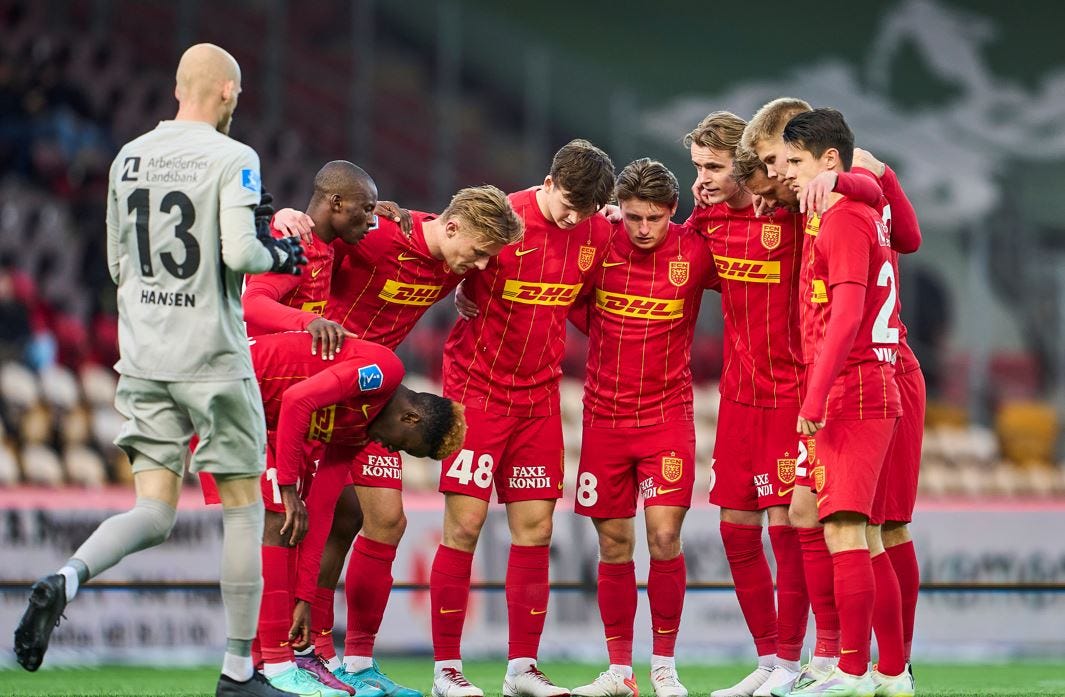
Now the question is, how do you be a great teammate and show up for your fellow players in the best way possible? There’s many ways to support your teammates. The first and most basic thing you can do is give respect to everyone on your team. You’re not going to be best friends with everyone on a team of 20+ players. This understanding is completely natural and fair. With that said, you do need to treat them as peers and respect them as individuals.
Even if their personality gets on your nerves and they annoy you, show them respect by either having a conversation with them about it, or letting it go completely. Don’t hold onto resentment — it will manifest via your actions in a negative way at some point.
Another way of showing up as a great teammate is to lift them up. I mean this both literally and figuratively. If your teammate is struggling with a drill or understanding a strategic point the coach is making, you should be helping them through that moment. This will not only help your teammate get better, but it will help build trust between the two of you.
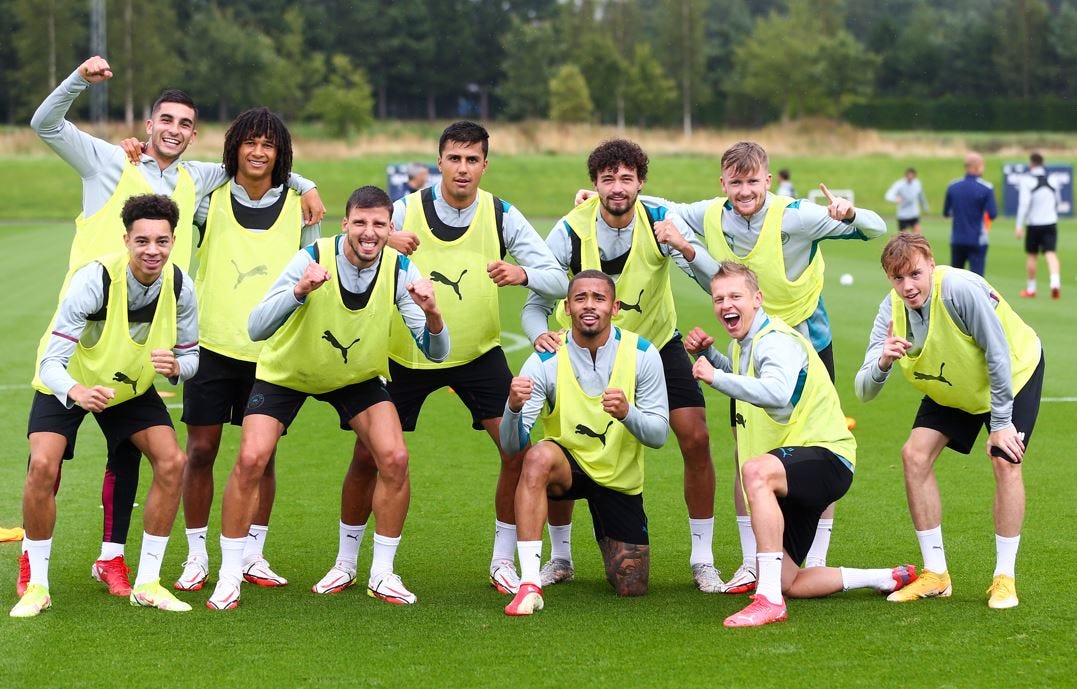
In wanting teammates to get better, there is a fine line between being critical and being degrading. Be critical of a teammate in a respectful manner. Go into it with the understanding that you are trying to raise their level and not put them down. This is a sure fire way to help improve your team as a whole. However, if you’re mean and negative to them for making a mistake, then you are creating an environment filled with resentment, hostility, and malice.
Of course, you need to be focused on yourself. Make sure that you are getting everything you need, but help in supporting the creation of a team atmosphere. Your team will flourish because of it. If you lead by example, others will follow —and the level will rise.
Take a moment to reflect on how you have been as a teammate. Are you satisfied with how you have shown up for them? Do you think you can do more to lift them up and call things out when need be? Start by thinking back on your previous experiences with your teammates, and then think about how you would like to treat them going forward.
Use your next training session to help a teammate with a certain technique they want to work on. This will help with not only your development, but the team as a whole.

There are countless examples of players who’ve exhibited traits conducive for a quality club environment. There are others who sometimes have a habit of acting selfishly — whether on or off the pitch. This could come at the detriment of the club.
That’s not to say that these players are inherently ‘bad’. However, actions can impact the harmony of a club in both positive and negative ways. We’ll look at a example of the latter in this exercise.
Mario Balotelli has always been an extremely talented yet flawed player. There have been moments throughout his career where he resembled a world class striker. You looked at him in his prime — a muscular player carved out of granite possessing exceptional class on the ball, immense physical tools, and a thirst for scoring.
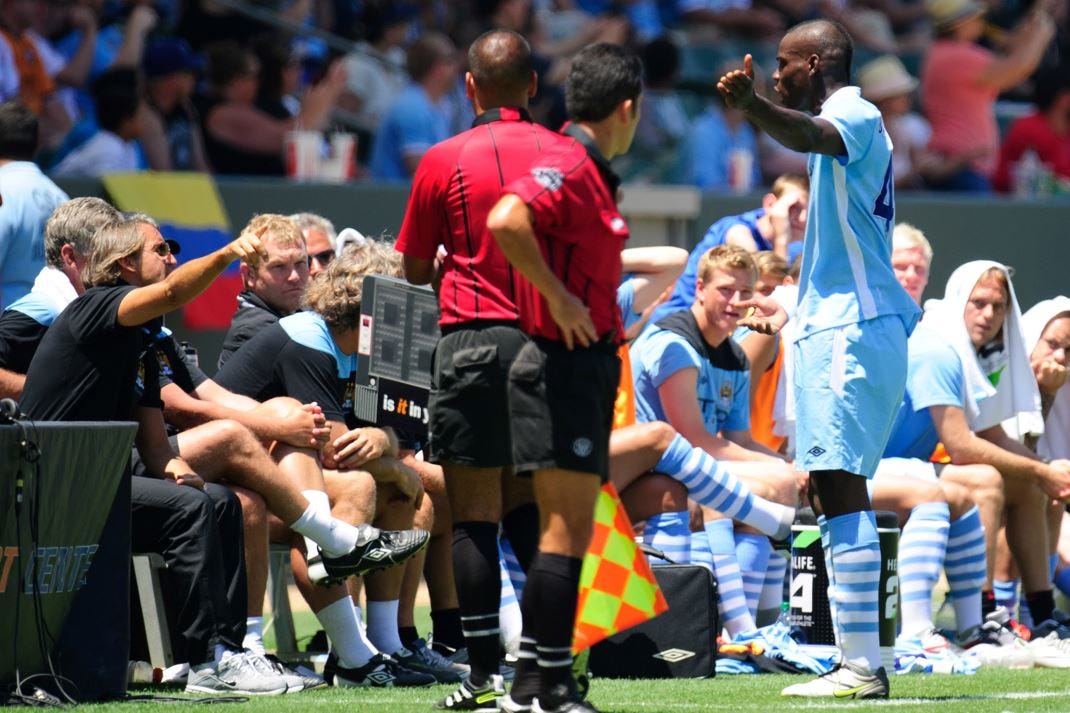
On the flip-side, you also had a volatile player who often self-sabotaged with bouts of immaturity and anger. A perfect encapsulation of the enigma that is Mario Balotelli came in 2011. At the time, he was a starlet for English giant Manchester City. Expectations were high, and Balotelli understandably shouldered plenty of pressure.
Man City was slated to play an offseason friendly in Los Angeles versus the LA Galaxy. It was an exercise to grow the sport in the U.S. — but also one which would (in theory) help the club ramp up for the EPL fixtures which were to follow.
In the 29th minute of the match, Balotelli was clear in on goal. A player of his caliber simply needed to deftly tap the ball past the keeper for what should’ve been an obvious goal. Instead, he did this:

Needless to say, this angered more than a few people. For one, Galaxy fans/players alike felt understandably disrespected by this display of arrogance. Clearly, Balotelli felt as if he were competing against an inferior side. Even though that’s technically the case, you still must show the opponent a level of respect.
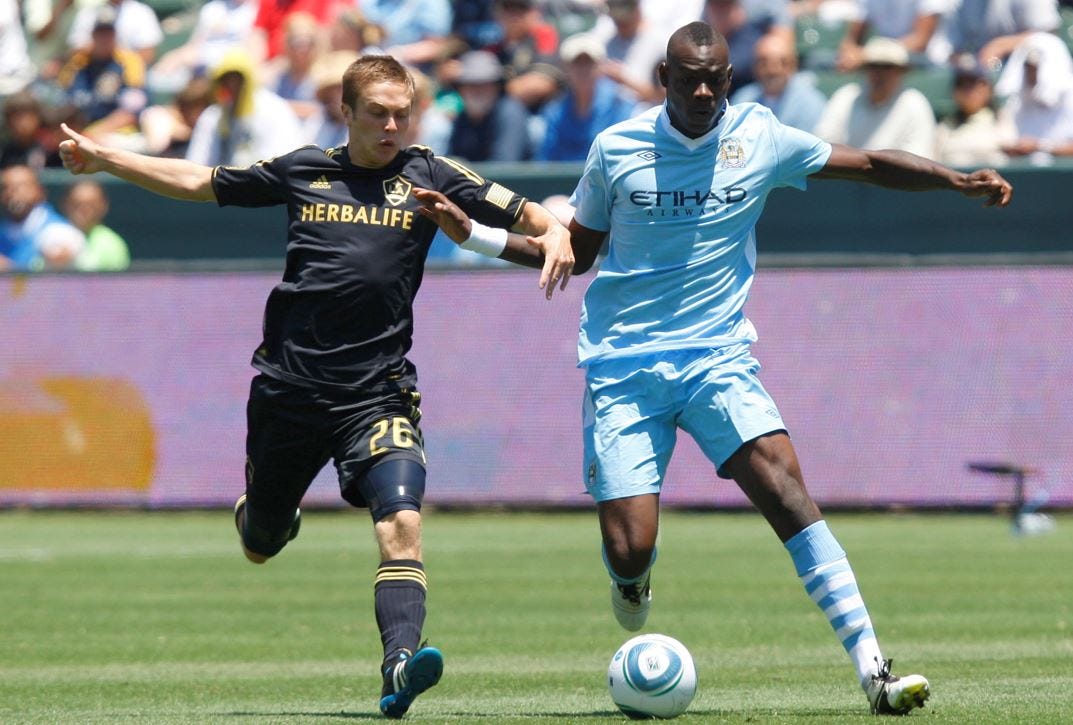
In the process, Balotelli also embarrassed his club, his teammates, and manager Roberto Mancini — who immediately pulled him from the match. Kids…use this as an example as to what NOT to do on the pitch. Don’t make it about yourself…work with your teammates to achieve the ultimate goal of winning.